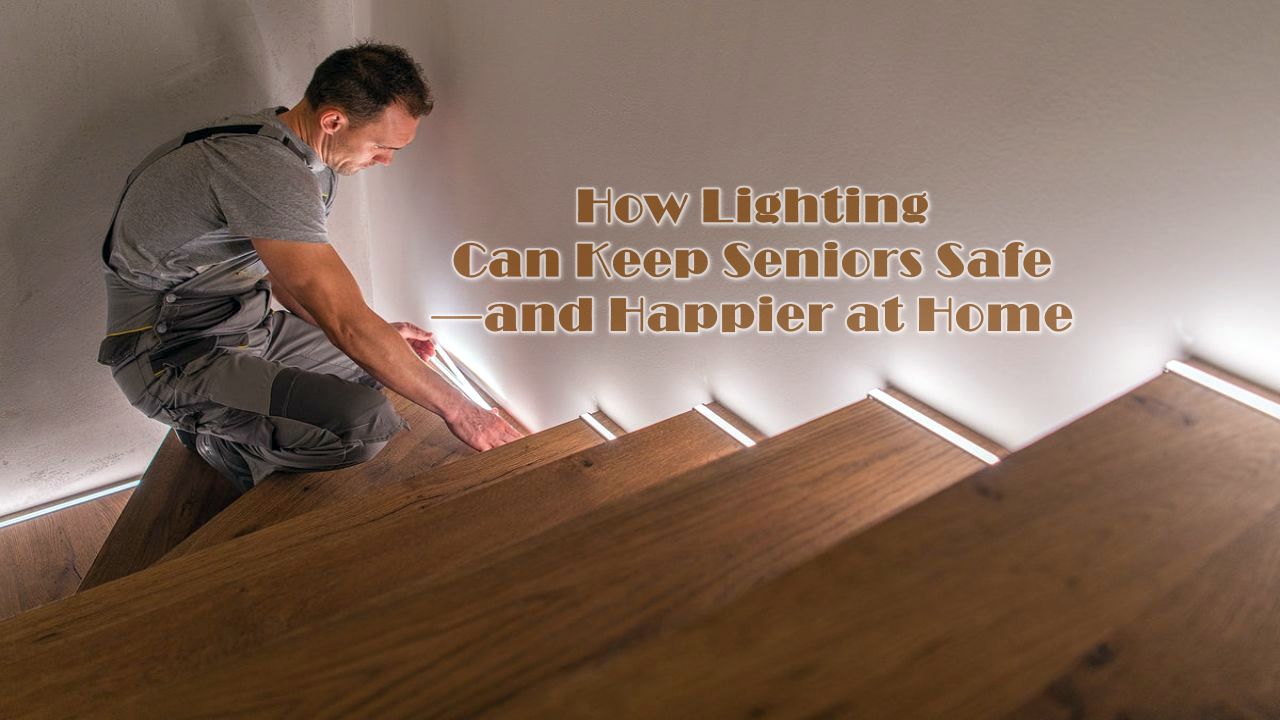
Let’s face it. Getting older comes with its fair share of challenges. But one simple thing can make a big difference in how seniors feel and move around their homes—lighting.
The right lighting can prevent trips and falls, ease eye strain, and even lift someone’s mood. It’s more than just flipping a switch. It’s about creating a space that feels safe, welcoming, and easy to navigate.
Stick around, because if you care about keeping your loved ones safe—or if you’re thinking ahead for your own future—you’ll want to read on.
Why Lighting Matters More with Age
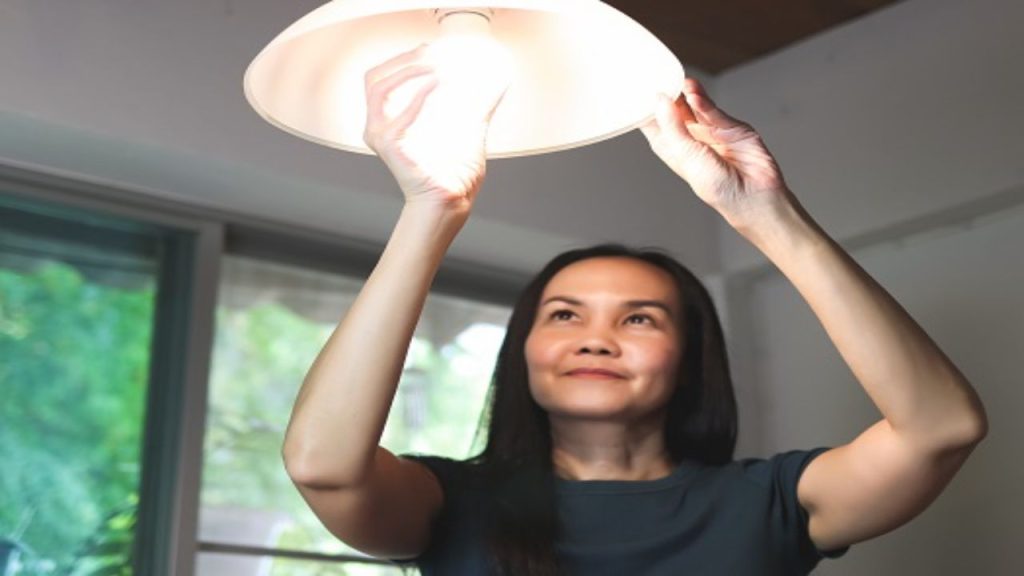
As we age, our eyes change. They let in less light, focus more slowly, and become more sensitive to glare. A room that seems “fine” to a 30-year-old might feel dim or even dangerous to someone in their 70s.
Poor lighting makes it harder to read, cook, walk down the stairs, or find your glasses on the nightstand. And the result? More accidents. More frustration. Less independence.
Good lighting isn’t just about visibility. It’s about confidence. When seniors can clearly see their surroundings, they move with more certainty. That can mean fewer falls—and a lot more peace of mind.
The Safety Side of Lighting
Falls are one of the biggest risks older adults face at home. One wrong step in a dark hallway or slippery bathroom can lead to a serious injury.
The good news? Simple lighting upgrades can reduce that risk. Think motion-sensor nightlights that glow softly when someone gets out of bed. Or brighter overhead lights that cut through shadows in the kitchen and living room.
One trick that works well: place lights at two levels. A ceiling light gives broad coverage, while a lower-level lamp or wall sconce softens the shadows. It helps the eyes adjust more easily. No more squinting or sudden darkness.
Also, avoid strong contrasts—like a bright hallway leading into a pitch-black bedroom. That sudden shift can be disorienting. Instead, aim for even lighting throughout the home.
Mood Boosting from a Simple Switch
There’s another side to all this—the emotional one.
Good lighting can help seniors feel more comfortable, more in control, and even more connected. A well-lit room feels warmer. More open. More like home.
Natural light, in particular, does wonders. It helps regulate sleep cycles, lifts spirits, and encourages activity. Try opening the curtains during the day or placing a favorite chair near a sunny window. Small things, but they add up.
Even artificial lighting can have emotional benefits. Warm tones in the evening help the body wind down. Cool, bright light during the day can boost alertness and focus.
And here’s something else to consider. A well-lit space often feels more patriotic and personal when it reflects values and memories. For example, a beautifully displayed indoor American flag on a well-lit wall can evoke pride and warmth—both important feelings as people age. It’s not just about light. It’s about what the light shines on.
Common Lighting Mistakes to Avoid

Many homes are lit for looks—not for function. And that’s a problem.
One common issue? Overhead lighting that casts shadows. It might look nice in a design magazine, but it doesn’t do much for someone trying to read a recipe or climb the stairs.
Another one? Forgetting task lighting. Seniors often need specific lighting for reading, crafts, or cooking. A small lamp next to a favorite chair or a light strip under a kitchen cabinet can make all the difference.
Then there’s glare. Shiny floors, glossy countertops, or high-wattage bulbs without diffusers can bounce light in all the wrong ways. That harsh glare tires out the eyes fast—and can hide objects like rugs or steps.
The fix? Use matte finishes when you can. Add soft shades or frosted bulbs. And think about light placement, not just light power.
Where to Start: Room by Room
Want to make a home safer for aging adults? Start with the spaces they use most.
In the kitchen, make sure counters and work areas are well-lit. Under-cabinet lighting works wonders.
In the bathroom, add lighting near the mirror that reduces shadows. A nightlight here isn’t optional—it’s essential.
In the bedroom, bedside lamps with easy switches help seniors avoid walking across a dark room. Bonus points for touch lamps or remotes.
In hallways and stairs, motion-sensor lights are ideal. And don’t forget to light both the top and bottom of the staircases.
The living room should feel cozy but clear. Use floor lamps, table lamps, or wall sconces to spread soft, even light. And keep cords tucked away—no one needs another tripping hazard.
Aging in Place with Confidence
Aging in place is the goal for many seniors. Staying in the comfort of home, keeping routines, holding on to independence.
But for that to work, the space needs to support their needs—not get in their way.
Lighting might not be the first thing people think about when planning for long-term home safety. But it should be. It’s affordable. It’s easy to change. And it has an immediate impact. Better lighting means less risk of falling, better sleep, more comfort, and brighter moods.
It’s not about overhauling the whole house. Often, a few small changes—like swapping bulbs, moving a lamp, or adjusting curtains—are all it takes.
We all deserve to feel safe in our own space. For seniors, good lighting helps make that possible. It reduces risks. It brightens the mood. And it supports independence in ways that really matter.
So whether you’re updating a home for yourself, a parent, or someone you care about, take a second look at the lighting. What could be clearer? Brighter? Easier to navigate?
Because sometimes, the biggest changes start with a simple flick of a switch.

Morgan Elfman is a compassionate writer, dedicated caregiver, and passionate advocate for senior well-being. Born and raised with a deep sense of empathy and a natural inclination towards service, Morgan has devoted her life to making a positive impact on the lives of seniors.
As a writer for www.choiceseniorlife.com, Morgan utilizes his skills to create insightful and informative content that addresses the unique needs and challenges faced by seniors and their families. Her articles not only provide valuable information on health, lifestyle, and care options but also strive to inspire and empower seniors to lead fulfilling lives.